


Stanley
New member

Last updated: June 3, 2026
Quick Answer: Moving an existing IRA into gold and silver involves transferring funds to a self-directed precious metals IRA, managed by a specialized custodian. This process, typically a direct trustee-to-trustee transfer or a 60-day rollover, requires careful attention to IRS rules, eligible metals, and fees to avoid common mistakes like tax penalties, ineligible assets, or unexpected costs.
Key Takeaways:
- An existing IRA can be moved into a self-directed precious metals IRA, allowing for physical gold and silver ownership.
- Understanding the difference between a direct transfer and a 60-day rollover is crucial to avoid tax penalties.
- Only specific types of highly pure gold and silver coins or bars are considered IRA-eligible by the IRS.
- Selecting an IRS-approved custodian and a secure depository is non-negotiable for compliance and asset safety.
- Fees, including setup, annual maintenance, storage, and metal spreads, can significantly impact long-term returns.
- Gold and silver serve different strategic roles; gold often for stability, silver for growth potential and industrial demand.
- Thorough due diligence on providers, fees, and IRS rules is essential to prevent costly errors before initiating any move.
Can You Transfer an IRA to Gold and Silver?
Yes, you can transfer an IRA to gold and silver by establishing a self-directed precious metals IRA. This specialized retirement account allows you to hold physical gold, silver, platinum, and palladium bullion instead of traditional paper assets like stocks, bonds, or mutual funds. The process involves working with a dedicated precious metals IRA custodian who facilitates the purchase and secure storage of your chosen metals in an approved depository. This allows investors to diversify their retirement portfolios with tangible assets while maintaining their tax-advantaged status.
Understanding the Difference: IRA Transfer vs. Rollover
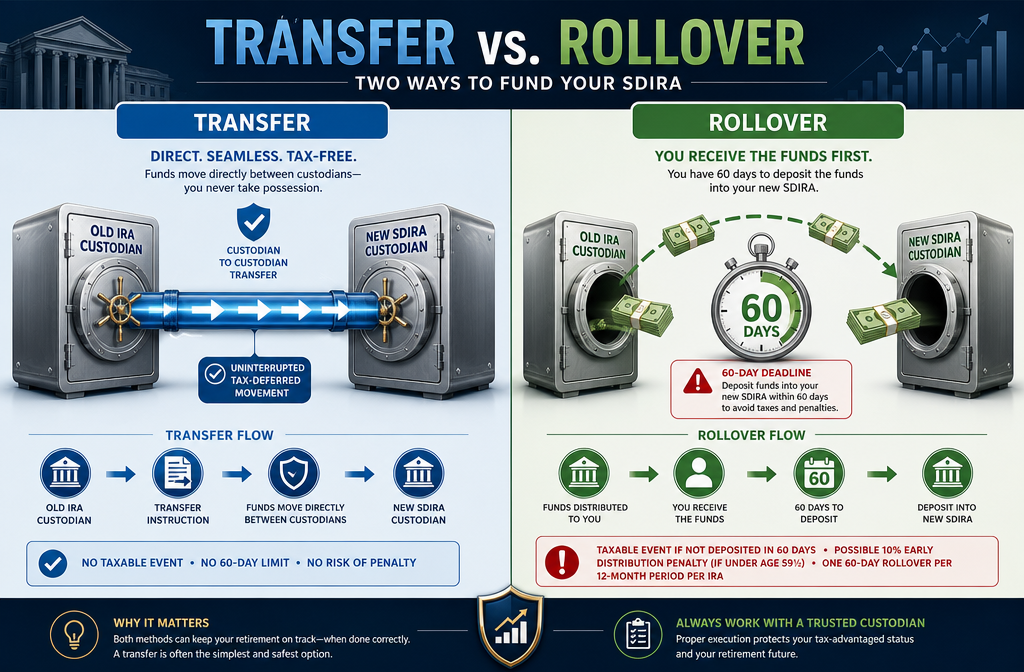
Distinguishing between an IRA transfer and a rollover is vital to avoid potential tax implications and penalties. A direct transfer, also known as a trustee-to-trustee transfer, involves your funds moving directly from your existing IRA custodian to your new self-directed IRA custodian without you ever taking possession of the money. This is generally the safest method, as it avoids any risk of triggering taxes or early withdrawal penalties.Conversely, a rollover means you receive the funds from your existing IRA, and you then have 60 days to deposit them into a new IRA. If the funds are not redeposited within this 60-day window, they will be considered a taxable distribution and could incur a 10% early withdrawal penalty if you are under 59½. Furthermore, you are typically allowed only one indirect rollover per 12-month period across all your IRAs. Choosing a direct transfer for your gold and silver IRA transfer is often recommended for simplicity and security.
Why Custodians and Approved Depositories Matter for Your Gold and Silver IRA Transfer
The choice of custodian and depository is paramount when you transfer an IRA to gold and silver, as these entities ensure IRS compliance and the security of your physical assets. An IRS-approved custodian is legally required to hold your self-directed IRA assets, managing all the paperwork and ensuring transactions adhere to regulations. They do not physically store your metals but appoint an independent, IRS-approved depository.Depositories are highly secure, insured facilities responsible for the physical storage of your precious metals. These facilities undergo rigorous audits and maintain advanced security measures. Without an approved custodian and depository, your gold and silver holdings would not qualify as IRA assets, potentially leading to significant tax penalties. Always confirm that both your chosen custodian and depository are established, reputable, and IRS-compliant.
What Types of Gold and Silver Are IRA-Eligible?
To qualify for a self-directed precious metals IRA, gold and silver must meet specific purity standards set by the IRS. For gold, the fineness must be .995 or higher, while silver must be .999 fine or higher. Common IRA-eligible gold products include American Gold Eagles, Canadian Gold Maple Leafs, Gold Buffalos, and various recognized gold bars. For silver, eligible options include American Silver Eagles, Canadian Silver Maple Leafs, Austrian Silver Philharmonics, and specific silver bars.Crucially, "collectible" coins, such as rare or numismatic coins, are generally not allowed, regardless of their metal content, as their value is primarily derived from their rarity rather than their precious metal content. Always verify the eligibility of any specific gold or silver product with your custodian before purchase to ensure compliance.
Why Gold and Silver May Play Different Roles in a Retirement Portfolio
While often discussed together, gold and silver may serve distinct purposes within a diversified retirement portfolio. Gold is frequently viewed as a traditional safe-haven asset, offering a hedge against inflation, currency devaluation, and economic uncertainty. Its historical stability and role as a store of value make it attractive for conservative investors seeking to preserve capital over the long term.Comparing Leading Gold IRA Companies for Your Transfer
Choosing the right partner is critical when you decide to transfer an IRA to gold and silver. Several reputable companies specialize in facilitating self-directed precious metals IRAs, each offering unique services and support. It's wise to compare multiple providers to find the best fit for your specific needs, budget, and desired level of guidance.Here are some companies worth considering:
- Goldco: Many investors start with Goldco for their strong rollover support and educational guidance when moving retirement funds into a Gold IRA. Request their free Gold & Silver information kit to learn more about eligible accounts and the transfer process. Take a closer look at how gold and silver may fit into retirement diversification by reviewing their Top 5 Advantages of Gold & Silver. Learn how eligible retirement accounts may be transferred into a self-directed Gold IRA.
Request a free Gold & Silver information kit from Goldco - Augusta Precious Metals: Known for its education-first approach, Augusta is a strong option for readers who want to thoroughly understand precious metals before making a decision. See their free educational guide before speaking with a specialist.
Learn more about Augusta Precious Metals - Noble Gold: Another company worth comparing for its service model, accessibility, and customer support.
Explore Noble Gold's offerings - American Hartford Gold: A reputable firm to review when comparing direct metals and IRA services.
Review American Hartford Gold options - Birch Gold Group: An established provider worth comparing for those reviewing multiple Gold IRA companies.
Compare Birch Gold Group services - Preserve Gold: Consider Preserve Gold for a broader comparison of providers in the market.
Check out Preserve Gold - Lear Capital: Worth comparing when reviewing various transfer and rollover support options.
Learn more about Lear Capital
Conclusion
Moving your IRA into gold and silver in 2026 offers a tangible way to diversify your retirement portfolio. By understanding the distinction between transfers and rollovers, ensuring IRS-eligible metals, and carefully vetting custodians and depositories, you can navigate this process effectively. Always consider the impact of fees and spreads on your long-term results, and remember that gold and silver may play different, complementary roles in your strategy. Avoid common mistakes by conducting thorough due diligence and comparing reputable providers. Use this Gold IRA calculator to estimate different allocation scenarios before making changes. For a deeper dive into top providers, you may also want to compare the best Gold IRA companies for 2026.Affiliate Disclosure: This article may contain affiliate links, which means we may earn a commission if a reader chooses to take action through certain links, at no additional cost to them.
Disclaimer: This content is for informational and educational purposes only and should not be considered financial, investment, legal, or tax advice. Readers should do their own due diligence and consult qualified professionals before making any financial decisions. Past performance does not guarantee future results.