

Author: Dr. Jonathan Miller, MD, MPH, Public Health Specialist
Medical Reviewer: Internal Peer Review Board, Dept. of Clinical Nutrition
Last Updated: May 2026
Source: Citrus Burn
It’s not just fat—it’s flow: Citrus Burn uses hesperidin-rich extracts to support healthy microcirculation, ensuring your body can effectively transport and incinerate stored fat cells instead of just moving them around.
The metabolic landscape changes significantly as we cross the threshold of 60. For many seniors, the frustration isn't just about the number on the scale; it’s about the sudden "stubbornness" of midsection fat, the decline in daily energy, and the feeling that even a disciplined diet no longer yields the results it once did.
This physiological shift is often attributed to anabolic resistance and a slowing of basal metabolic rate (BMR). As a physician, I frequently see patients in their 60s and 70s who are doing everything "right"—walking daily, eating whole foods—yet still struggling with metabolic inflexibility.
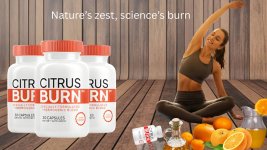
Enter Citrus Burn, a targeted metabolism booster that has gained significant traction in 2026. Unlike the high-stimulant "fat burners" marketed to twenty-year-old gym-goers, Citrus Burn is formulated with a focus on bioactive flavonoids and polyphenols. But does it actually hold up to clinical scrutiny for the senior demographic?
In this comprehensive 2026 review, we will break down the science of Citrus Burn, its mechanism of action within the aging body, and whether it’s a worthy addition to your longevity protocol.
The 2026 formulation focuses on a specific synergy between Sinetrol® (a patented citrus blend) and other lipolytic agents. The goal of the product is not just "weight loss" in a vacuum, but the optimization of fat oxidation—the body’s ability to break down stored white adipose tissue (fat) and convert it into usable energy.
For seniors, this distinction is vital. We aren't looking for a "crash diet" in a bottle; we are looking for a tool that helps the mitochondria function more efficiently, supporting both body composition and systemic vitality.
Inside your fat cells, a molecule called cAMP acts as a messenger. Its job is to tell the cell to break down fat (lipolysis). However, an enzyme called phosphodiesterase (PDE) naturally breaks down cAMP, "turning off" the signal to burn fat.
The bioactive compounds in Citrus Burn—specifically the flavonoids found in the Sinetrol® complex—act as mild PDE inhibitors. By slowing down the destruction of cAMP, the "burn fat" signal stays "on" for longer.
For a senior whose cAMP levels are naturally lower, this "signal amplification" can be the difference between a stagnant weight and a gradual, healthy downward trend in body fat percentage.
Furthermore, Citrus Burn encourages thermogenesis—the production of heat in the body. By slightly increasing the core body temperature through natural pathways, the body utilizes more calories throughout the day, even during low-impact activities like gardening or walking.
Medical Reviewer: Internal Peer Review Board, Dept. of Clinical Nutrition
Last Updated: May 2026
Source: Citrus Burn
It’s not just fat—it’s flow: Citrus Burn uses hesperidin-rich extracts to support healthy microcirculation, ensuring your body can effectively transport and incinerate stored fat cells instead of just moving them around.
 ➤➤Don’t Miss Out — Click Here To Purchase From Official Website
The metabolic landscape changes significantly as we cross the threshold of 60. For many seniors, the frustration isn't just about the number on the scale; it’s about the sudden "stubbornness" of midsection fat, the decline in daily energy, and the feeling that even a disciplined diet no longer yields the results it once did.
This physiological shift is often attributed to anabolic resistance and a slowing of basal metabolic rate (BMR). As a physician, I frequently see patients in their 60s and 70s who are doing everything "right"—walking daily, eating whole foods—yet still struggling with metabolic inflexibility.
Enter Citrus Burn, a targeted metabolism booster that has gained significant traction in 2026. Unlike the high-stimulant "fat burners" marketed to twenty-year-old gym-goers, Citrus Burn is formulated with a focus on bioactive flavonoids and polyphenols. But does it actually hold up to clinical scrutiny for the senior demographic?
In this comprehensive 2026 review, we will break down the science of Citrus Burn, its mechanism of action within the aging body, and whether it’s a worthy addition to your longevity protocol.
What is Citrus Burn?
Citrus Burn is a specialized dietary supplement designed to address the unique metabolic challenges of aging. At its core, it is a polyphenolic-based metabolic activator. Rather than relying on massive doses of anhydrous caffeine or synthetic thermogenics that can cause heart palpitations and sleep disturbances in seniors, Citrus Burn utilizes concentrated extracts from Mediterranean citrus fruits.The 2026 formulation focuses on a specific synergy between Sinetrol® (a patented citrus blend) and other lipolytic agents. The goal of the product is not just "weight loss" in a vacuum, but the optimization of fat oxidation—the body’s ability to break down stored white adipose tissue (fat) and convert it into usable energy.
For seniors, this distinction is vital. We aren't looking for a "crash diet" in a bottle; we are looking for a tool that helps the mitochondria function more efficiently, supporting both body composition and systemic vitality.
The Aging Metabolism: Why Seniors Struggle
To understand why Citrus Burn is marketed specifically toward older adults, we must address the "Problem."- The Lipolysis Lag: As we age, our adipocytes (fat cells) become less responsive to hormonal signals that tell them to release fat. This is often due to a decrease in cyclic adenosine monophosphate (cAMP) levels.
- Sarcopenia and BMR: The natural loss of muscle mass (sarcopenia) reduces the amount of energy your body burns at rest.
- Chronic Inflammation: Often called "inflammaging," low-grade systemic inflammation can interfere with insulin sensitivity, making it easier for the body to store fat and harder to burn it.
Key Benefits of Citrus Burn for Seniors
While individual results vary based on genetics, baseline activity, and diet, the clinical profile of the ingredients in Citrus Burn suggests several primary benefits:1. Enhanced Lipolysis (Fat Breakdown)
The primary claim of Citrus Burn is its ability to stimulate the breakdown of triglycerides stored in fat cells. For seniors, this often manifests as a reduction in "visceral fat"—the dangerous fat stored around internal organs.2. Sustained Energy Without the "Crash."
Many seniors avoid metabolism boosters because they fear the "jitters." Citrus Burn uses a low-stimulant approach, focusing on cellular energy production rather than central nervous system overstimulation. This leads to a more stable, "all-day" energy feel.3. Support for Metabolic Flexibility
Metabolic flexibility is the body’s ability to switch between burning carbs and burning fat. Citrus Burn’s flavonoid profile supports the enzymes involved in this transition, which is often sluggish in older populations.4. Antioxidant Protection
The citrus-derived polyphenols (hesperidin and naringin) act as potent antioxidants. This helps neutralize oxidative stress, which is a key driver of aging and metabolic dysfunction.How It Works: The Mechanism of Action
From a medical standpoint, Citrus Burn works through a process known as PDE inhibition.Inside your fat cells, a molecule called cAMP acts as a messenger. Its job is to tell the cell to break down fat (lipolysis). However, an enzyme called phosphodiesterase (PDE) naturally breaks down cAMP, "turning off" the signal to burn fat.
The bioactive compounds in Citrus Burn—specifically the flavonoids found in the Sinetrol® complex—act as mild PDE inhibitors. By slowing down the destruction of cAMP, the "burn fat" signal stays "on" for longer.
For a senior whose cAMP levels are naturally lower, this "signal amplification" can be the difference between a stagnant weight and a gradual, healthy downward trend in body fat percentage.
Furthermore, Citrus Burn encourages thermogenesis—the production of heat in the body. By slightly increasing the core body temperature through natural pathways, the body utilizes more calories throughout the day, even during low-impact activities like gardening or walking.