Retail & Shopping Center Pressure Washing
Retail sites and shopping centers pick up gum, oil, food soil, and foot-traffic grime on sidewalks, storefronts, lots, and dumpster pads. This page is a starting point for property managers, retailers, and contractors.
- Work scheduled around open stores, including overnight
- Wash water contained and kept out of storm drains
- Before-and-after photos for the property file
What We Clean
Sidewalks & storefronts
The path customers take in: sidewalks, entries, and the front of the store.
Parking lots & drive lanes
Open lots and the lanes that feed the stores; older oil marks may lighten rather than vanish.
Dumpster pads
Enclosures and pads behind the center where spills and dirty runoff collect.
Loading docks
Dock pads, approach concrete, and the area around receiving doors.
Common walkways
Shared walks, courtyards, and the routes between stores and the lot.
Gum removal
Gum lifted from sidewalks, entries, and other walk-up surfaces.
Canopies & building edges
Entry canopies, fascia, and the lower walls along the storefront, with the method matched to the surface.
How a typical visit goes
01
Find a contractor
Search the National Pressure Wash Directory for someone who serves your center and has retail or shopping-center experience.
02
Set the scope
Agree which sidewalks, storefronts, lots, and dumpster pads are in the visit, and whether work happens overnight or around open stores.
03
Clean and contain
Wash the agreed surfaces and contain wash water instead of sending it to a storm drain.
04
Photos and a program
Before-and-after photos for the property file, then a weekly, bi-monthly, or monthly sidewalk program if it fits the center.
A common practice — not a rule — is to put storefront sidewalks on a recurring program and to clean busy entries and dumpster pads more often than the rest of the property. Traffic, weather, and any owner or brand standards should drive the interval.
Safety and wash water
Wash water from a retail site or shopping center can carry oil, grease, food soil, soap, and grit. Under the federal Clean Water Act, many cities must control pollutants in stormwater. Storm drains are not the sanitary sewer. Contain wash water, and check the current rules for the city or county where the center sits.
Crews should coordinate with the property manager on which areas will be closed, how to work around open stores and deliveries, and where runoff must be contained. Older oil marks on a lot may lighten rather than vanish.
Rules change. Confirm current wash-water and stormwater requirements with the city or county where the center sits before the job is scheduled. This page is general guidance, not a permit or a legal determination. See the FAQ below for more detail.
Property managers and multi-site work
If you manage more than one center, or several stores on one property, ask for a written scope, a schedule that fits deliveries and peak hours, and photos for your records. Confirm insurance and site-access rules with the owner or manager of each location.
For a copy of Ron’s unsolicited commercial shopping center proposals, see Commercial Shopping Center Proposals Unsolicited.
Retail sidewalk and rear-area pricing
Typical prices for a recurring commercial sidewalk and rear-area cleaning program, by type of store. Prices include sidewalks and rear area cleaning. Bi-monthly here means twice a month. These figures are for a typical store program, not a whole shopping center.
| Type of store | Weekly | Bi-monthly | Monthly |
|---|---|---|---|
| Department store | $160 | $240 | $375 |
| Grocery store | $110 | $150 | $205 |
| Pet store | $100 | $160 | $225 |
| Coffee shop | $80 | $140 | $195 |
| Drug store | $110 | $160 | $245 |
These are estimates, not quotes. Prices can vary based on surface condition and accessibility. A full shopping center — parking lots, multiple dumpster pads, and building exteriors — is quoted separately after a walk of the property. For a real price, get a quote from a local contractor in the National Pressure Wash Directory.
Ask Ron
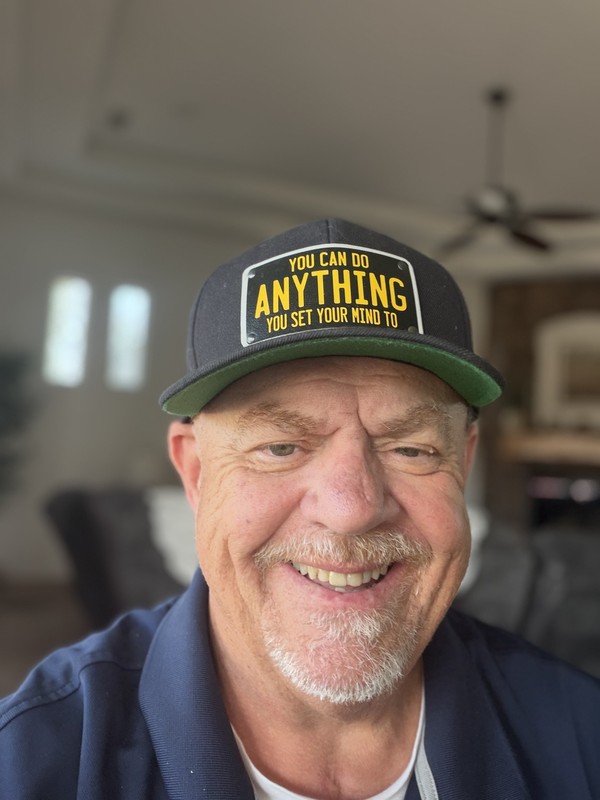
Ron Musgraves is based in Mesa, Arizona, and has been in the pressure washing business since 1984. This page is meant to help property managers, retailers, and contractors get oriented, not to replace official advice from a regulator, your wastewater authority, or your city.
If you have a practical question about retail or shopping center washing, visit Ask Ron on RonMusgraves.com.
Retail and shopping center washing FAQ
How much does retail sidewalk cleaning cost?
Typical prices for a recurring sidewalk and rear-area cleaning program are $80 to $160 per weekly visit, $140 to $240 bi-monthly (twice a month), and $195 to $375 monthly, depending on the type of store. A department store is typically $160 weekly, $240 bi-monthly, and $375 monthly; a grocery store $110, $150, and $205; a pet store $100, $160, and $225; a coffee shop $80, $140, and $195; and a drug store $110, $160, and $245. Those figures include sidewalks and rear area cleaning. They are estimates, not quotes, and they can vary based on surface condition and accessibility. A full shopping center — parking lots, multiple dumpster pads, and building exteriors — is quoted separately. See the pricing table above, and get a quote from a local contractor in the Directory.
Can wash water from a shopping center go into a storm drain?
Often no — especially if the water carries oil, grease, food soil, soap, or other pollutants. Under the federal Clean Water Act, many cities must control pollutants in stormwater. Storm drains are not the sanitary sewer. Contain wash water and check the current rules for the city or county where the center sits.
What is the difference between a storefront program and a whole-center job?
The sidewalk and rear-area prices on this page are for a typical store program — the walks and rear area at one business. A shopping center job can also include parking lots, common walkways, several dumpster pads, canopies, and building surfaces. That wider scope is quoted after a walk of the property. For Ron’s approach to unsolicited center proposals, see Commercial Shopping Center Proposals Unsolicited.
How often should a retail site or shopping center be washed?
There is no single required schedule. Weekly, bi-monthly (twice a month), and monthly sidewalk programs are common options — not a rule. Busy entries and dumpster pads often need attention more often than the rest of the property. Traffic, weather, and any owner or brand standards should drive the interval. This page does not set a required frequency.
How do I find a contractor for retail or shopping center work?
Start with the National Pressure Wash Directory and look for a contractor who serves your area and has experience on retail sites or shopping centers. Ask how they contain wash water, how they schedule around open stores, and what a written scope looks like. For training, visit PressureWashingInstitute.org. For industry events, visit Pressure Washing Events & Networking.
Ready for cleaner shopping centers?
Start with the National Pressure Wash Directory, then get training or event dates through the links below.
Search the Directory PressureWashingInstitute.org Pressure Washing Events & Networking
