
Exterior Drone Cleaning: Water Towers, Bridges & Buildings
Drone cleaning applies soft wash solution and a rinse to tall or hard-to-reach exteriors from the air, often through a hose fed from a ground rig. This page is a starting point for utilities, property managers, and contractors who work with water towers, bridges, and buildings.
- The drone works at height; the pilot and crew stay on the ground
- FAA Part 107 pilots, airspace checks, and a written safety plan
- Wash water controlled, with extra care around drinking-water tanks
What We Clean
Water towers & storage tanks
The bowl, riser, and tank shell, washed from the ground. Exterior only, with no tank entry.
Bridges & overpasses
Steel and concrete, including spans over roads or water. Work is coordinated with the owner and traffic control.
Building facades
Brick, concrete, stucco, EIFS, and metal panel, with the method matched to the surface.
Windows & glass
Curtain walls and upper-floor glass, with care around seals and frames.
Roofs
Low-pressure soft wash where walking the roof is slow or risky.
Solar panels
Arrays cleaned in line with the panel maker’s cleaning guidance.
Signs, stadiums & large structures
Tall signs, stadium exteriors, and other big surfaces that are hard to reach.
How a typical drone cleaning job goes
01
Site survey & airspace check
Walk the structure, measure surfaces, find a water source and staging spot, and check the airspace around the site.
02
Permits & safety plan
Get owner and agency approvals, file any FAA authorizations needed, and write a safety plan with a ground perimeter.
03
Soft-wash application by drone
A Part 107 pilot flies the drone to apply cleaning solution to the agreed surfaces, matched to the material.
04
Rinse & inspection
Rinse, walk the result with the owner, and keep before-and-after photos for the record.
Every site is different. Height, surface material, weather, nearby airports, and the owner’s rules all shape the plan, so this page does not quote prices or set a required schedule.
Safety, FAA and wash water
FAA Part 107 and waivers
Commercial drone flights in the United States generally fall under FAA Part 107. That means a certified remote pilot, an aircraft that meets the rules, and flight limits such as visual line of sight and altitude and airspace requirements. Flying in controlled airspace near an airport generally needs FAA authorization, and some operations outside the standard rules can be flown only with an FAA waiver. Ask for pilot certification and insurance before anyone flies.
Spray drones and tethered drones
Some cleaning drones carry a small tank and spray from the air. Others are fed water and solution through a hose from a ground rig. A hose gives a steady supply from the ground, but it adds weight and a line to manage. An onboard tank avoids the hose, but it carries less liquid. Either way, the spray pushes back on the aircraft, so wind and gusts matter.
Potable-water tanks
Water towers and storage tanks may hold drinking water. Exterior cleaning should not let chemicals or wash water reach the tank, its vents, or its overflow. For a potable-water tank, use only products certified to the relevant NSF/ANSI standard, and coordinate dates, access, and procedures with the water utility and any state or local drinking-water rules before work starts.
Runoff and overspray
Wash water can carry cleaning solution, algae, paint chips, and grit. Under the federal Clean Water Act, many cities must control pollutants in stormwater, and storm drains are not the sanitary sewer. Plan for how wash water will be contained or managed, and keep overspray off traffic, people, vehicles, neighboring property, and waterways. On a bridge, the owner or transportation agency sets the rules for traffic control and for anything that could fall or drift into a roadway or river.
Rules change. Confirm current FAA, utility, stormwater, and local requirements before the job is scheduled. This page is general guidance, not a permit, an FAA determination, or a legal opinion.
Why drones vs lifts or rope access
- Fewer people at height. The drone does the work up high, so the crew is not on a lift, a swing stage, or a rope for the wash.
- Less equipment on the ground. There is often no lift pad or scaffold to stage, which can keep entrances, lanes, and parking in use.
- Reach. Drones can get to facades behind landscaping or canopies, tank bowls and domes, and spans over water or traffic.
- Not always the right tool. One-story buildings, jobs that need brushing or scraping, tight sites with trees and wires, and days with high wind, rain, or restricted airspace may be better handled by a lift, a water-fed pole, or a ground crew.
Training
Drone soft-wash training is coming through PressureWashingInstitute.org. Dates have not been announced yet. For industry events, see Pressure Washing Events & Networking.
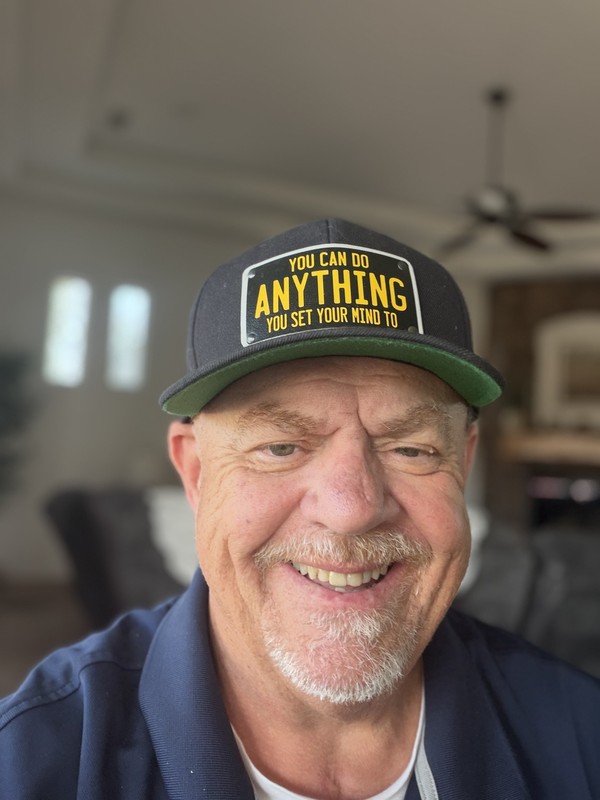
Ask Ron
Ron Musgraves is based in Mesa, Arizona, and has been in the pressure washing business since 1984. This page is meant to help owners, managers, and contractors get oriented on drone cleaning, not to replace advice from the FAA, a water utility, or your city.
If you have a practical question about drone cleaning, visit Ask Ron on RonMusgraves.com.
Drone cleaning FAQ
What is exterior drone cleaning?
Exterior drone cleaning uses a drone to apply cleaning solution and a rinse to tall or hard-to-reach surfaces such as water towers, bridges, building facades, glass, roofs, and solar panels. Many systems are fed water and solution through a hose from a ground rig. The pilot and crew stay on the ground. It is a different way to reach the surface, not a different kind of washing.
Does a drone cleaning contractor need FAA certification?
In the United States, commercial drone flights generally fall under FAA Part 107, which calls for a certified remote pilot and compliance with flight rules. Flying in controlled airspace near an airport generally needs FAA authorization, and some operations outside the standard rules need an FAA waiver. Ask any contractor for their pilot certification, insurance, and how they handle airspace on your site.
Can a water tower be cleaned by drone if it holds drinking water?
The outside of the tank can be cleaned from the ground, but chemicals and wash water must not reach the tank, its vents, or its overflow. For a tank that holds drinking water, use only products certified to the relevant NSF/ANSI standard and coordinate the work with the water utility, including any state or local drinking-water rules. Tank interiors are a separate job with separate rules.
Can drones clean bridges and overpasses?
Drones can reach steel and concrete on bridges and overpasses, including areas that are awkward to get to by lift. The bridge owner or transportation agency decides whether and when the work can happen, and traffic control, waterway protection, and permits may apply. Confirm the requirements with the owner and local agencies before the job is scheduled.
How do I find a drone cleaning contractor?
Start with the National Pressure Wash Directory and look for a contractor who serves your area and has experience with high-reach work. Ask about FAA Part 107 certification, insurance, the safety plan, and how they control wash water. For training, visit PressureWashingInstitute.org. For industry events, visit Pressure Washing Events & Networking.
Ready to take cleaning to new heights?
Start with the National Pressure Wash Directory, then get training or event dates through the links below.
Search the Directory PressureWashingInstitute.org Pressure Washing Events & Networking
