Gas Station & C-Store Pressure Washing
Fuel sites pick up oil, drips, canopy film, and foot-traffic grime that a typical parking lot does not. This page is a starting point for station owners, C-store managers, and contractors.
- Work scheduled around open pumps, including overnight
- Wash water contained and kept out of storm drains
- Before-and-after photos for a record of the work
What We Clean
Fuel islands & pumps
Pads around the pumps; dispensers cleaned by hand, not blasted.
Canopies
Fascia, underside, columns, and lights, without driving water into fixtures.
Forecourt, concrete & oil stains
Drive lanes and pads; older oil marks may lighten rather than vanish.
C-store storefronts & sidewalks
Entries, sidewalks, and the path customers take inside.
Dumpster pads
Enclosures and pads where spills and dirty runoff collect.
Gum removal
Gum lifted from sidewalks, entries, and other walk-up surfaces.
Air, vac & trash areas
Amenities and trash spots along the lot and storefront.
How a typical visit goes
01
Find a contractor
Search the National Pressure Wash Directory for someone who serves your area.
02
Schedule the work
Book around business hours or overnight, often one island at a time so other pumps can stay open.
03
Clean and contain
Wash the agreed surfaces and contain wash water instead of sending it to a storm drain.
04
Photo report
Before-and-after photos so you have a record of the visit.
A common practice — not a rule — is to clean busy fuel islands more often than the rest of the property, and to put the full lot on a recurring plan. Traffic, weather, and any brand or franchise standards should drive the interval.
Safety and wash water
Wash water from a fuel site can carry oil, fuel residue, soap, and grit. Under the federal Clean Water Act, many cities must control pollutants in stormwater. Storm drains are not the sanitary sewer. Contain wash water, and check the current rules for the city or county where the station sits.
Pressure washing is not a spill-response method. Fresh or standing fuel should be handled under the station’s own spill procedures first. Crews should coordinate with the site manager on which islands will be closed and know where the emergency shutoff is before work begins.
Rules change. Confirm current wash-water and stormwater requirements with the city or county where the station sits before the job is scheduled. This page is general guidance, not a permit or a legal determination. See the FAQ below for more detail.
Brand and multi-site work
If you operate more than one location, or work to a brand or franchise image standard, ask for a written scope, a schedule that fits deliveries and peak hours, and photos for your records. Confirm insurance and site-access rules with the owner or manager of each location.
Ask Ron
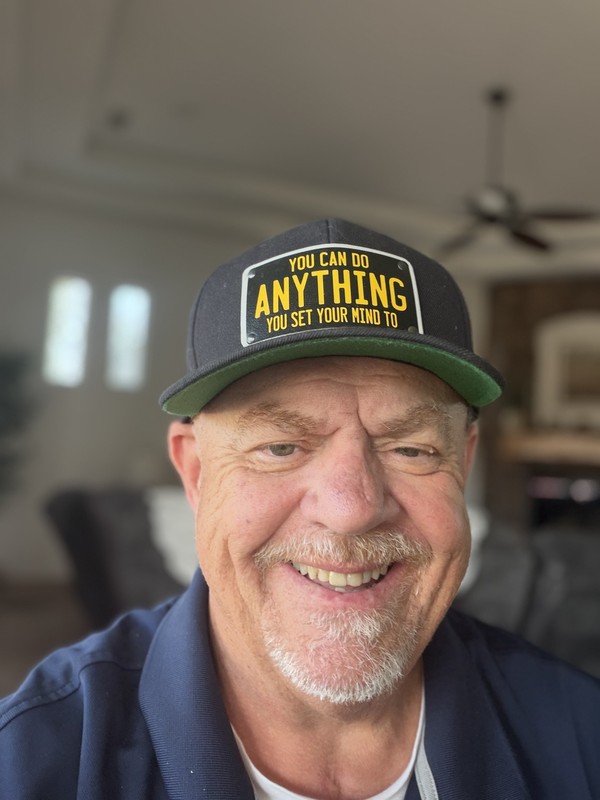
Ron Musgraves is based in Mesa, Arizona, and has been in the pressure washing business since 1984. This page is meant to help station owners, C-store managers, and contractors get oriented — not to replace official advice from a regulator, a spill-response plan, or your city.
If you have a practical question about gas station or C-store washing, visit Ask Ron on RonMusgraves.com.
Gas station and C-store washing FAQ
Can fuel dispensers and card readers be pressure washed?
Dispensers are electrical equipment. Clean them by hand, or with a gentle, low-pressure approach, and keep water away from card readers, screens, and seams. The concrete pads and islands around the pumps are a different surface and can take a different method. Agree on the scope with your contractor before work starts.
Can wash water from a gas station go into a storm drain?
Often no — especially if the water carries oil, fuel residue, soap, or other pollutants. Under the federal Clean Water Act, many cities must control pollutants in stormwater. Storm drains are not the sanitary sewer. Contain wash water and check the current rules for the city or county where the station sits.
Is pressure washing the right way to handle a fuel spill?
No. Pressure washing is not a spill-response method. Fresh or standing fuel should be handled under the station’s own spill procedures first. Washing over a spill can spread fuel and contaminated water. Cleaning older stains on concrete is a separate job, done after any spill has been addressed.
How often should a gas station or C-store be washed?
There is no single required schedule. A common practice — not a rule — is to clean busy fuel islands more often than the rest of the property and to put the full lot on a recurring plan. Traffic, weather, and any brand or franchise standards should drive the interval. This page does not quote prices or set a required frequency.
How do I find a contractor for gas station or C-store work?
Start with the National Pressure Wash Directory and look for a contractor who serves your area and has experience on fuel sites. Ask how they protect dispensers, contain wash water, and schedule around open pumps. For training, visit PressureWashingInstitute.org. For industry events, visit Pressure Washing Events & Networking.
Ready for cleaner locations?
Start with the National Pressure Wash Directory, then get training or event dates through the links below.
Search the Directory PressureWashingInstitute.org Pressure Washing Events & Networking
