Pressure Washing in Arizona
Desert sun, hard water, monsoon dust, and summer heat change how washing gets done here. This page is a starting point for Arizona contractors and property owners — with links to official licensing and stormwater sources so you can check current rules in your city.
Why Arizona washing is different
A driveway or tile roof in Mesa does not behave like the same surface in a humid, soft-water market. Arizona work is shaped by the climate, the water, and the calendar.
Desert sun and mineral spotting
Wash water dries fast in direct sun. The City of Phoenix notes that calcium and magnesium in source water make tap water hard. Those minerals can leave white or chalky spots on windows, vehicles, tile, and painted surfaces if rinse water is left to bake on. Shade, thorough rinsing, and not letting water sheet-dry on glass or dark paint matter more here than in many other states.
Monsoon dust and haboobs
The National Weather Service treats June 15 through September 30 as the Southwest monsoon. That stretch often brings thunderstorms, high winds, and dust storms (including haboobs). Fresh silt on parking lots, stucco, and solar arrays is part of the season — and so are sudden downpours and unsafe travel. Jobs may need to be rescheduled around warnings and blowing dust.
Heat and early-morning scheduling
Low-desert cities such as Phoenix, Mesa, and Yuma regularly see extreme summer heat. Early-morning starts help surfaces stay cooler, reduce flash-drying of rinse water, and are easier on crews and equipment. Midday work on dark asphalt, metal, or west-facing walls is harder on both people and results. Higher-elevation Flagstaff has a shorter warm season and a different soil and pollen pattern.
Water use and reclaim
Arizona is a desert state, and water is a managed resource. Many contractors use reclaim or recovery equipment on paved commercial work, and some property owners or cities expect wash water to be contained rather than sent down a gutter. Check current rules with the local water provider and the city where the job sits — requirements are not the same everywhere.
Sources: City of Phoenix, Taste, Odor, and Hardness FAQs (calcium and magnesium hardness). National Weather Service Tucson, Monsoon Safety (monsoon period June 15–September 30; thunderstorms, dust storms, and extreme heat).
Arizona licensing and insurance basics
There is no pressure-washing-only license classification on the Arizona Registrar of Contractors (ROC) classification list. That does not automatically mean every washing job is unregulated. The ROC licenses businesses that contract to build, alter, repair, add to, subtract from, improve, move, wreck, or demolish a structure or improvement, or to do any part of that work.
On the common “handyman exemption,” the ROC states that, generally, a contractor license is required if labor and materials exceed $1,000, or if a permit is required (regardless of price). The statute behind that guidance is Arizona Revised Statutes § 32-1121. The exemption is limited: the work must be casual or minor, it does not apply when a local building permit is required, it cannot be used by splitting a larger job into smaller contracts, and unlicensed advertising must include the words “not a licensed contractor.”
If a job includes repair, coating, waterproofing, painting, or other improvement work — or if a permit is involved — treat it as a licensing question, not a cleaning-only question. If you are unsure whether a scope needs an ROC license, ask the Registrar. The ROC accepts requests for a license classification determination. Also check current city or town business-tax rules (including transaction privilege tax) where you work. Those requirements are separate from an ROC license.
This page does not list required insurance policies or limits. Commercial accounts, HOAs, and property managers often ask for a certificate of insurance. Confirm current contract language with the customer and with your insurance provider.
Rules change. Confirm current licensing requirements with the Arizona Registrar of Contractors and with the city or county where the work will be done before you advertise or bid.
Sources: ROC License Classifications (who must be licensed; $1,000 / permit guidance; classification list). A.R.S. § 32-1121 (persons not required to be licensed). ROC Licensing Forms (classification determination requests).
Wash water, runoff, and stormwater
Under the federal Clean Water Act, cities that operate a municipal separate storm sewer system (MS4) must control pollutants in stormwater. In Arizona, that program is administered through the Arizona Department of Environmental Quality as AZPDES. Storm drains are not the sanitary sewer: water that enters a gutter or storm inlet is generally not treated before it reaches a wash, basin, or river.
City rules differ. Always check the current ordinance for the job site, and contain wash water when it may carry soap, oil, paint residue, or other pollutants.
Phoenix
Phoenix City Code § 32C-103 generally prohibits releasing anything that is not composed entirely of stormwater to a public right-of-way, retention or detention basin, or public storm drain, with listed exceptions (for example, certain discharges under a NPDES/AZPDES permit, and a short list of allowable sources that are not a significant source of pollutants). Commercial pressure-washing wastewater is not on that short list. The city’s illicit-discharge program restates the same idea: only stormwater belongs in the storm drain, plus a limited set of allowed non-stormwater discharges.
Mesa
The City of Mesa operates under an ADEQ municipal stormwater permit and is required to enforce an ordinance that prohibits the discharge of pollutants to its storm drain system. Mesa cites Mesa City Code Title 8, Chapter 5, and notes that stormwater is not treated before it may reach washes, basins, parks, or the Salt and Gila rivers.
Tucson
Tucson also operates an MS4 under AZPDES. Tucson Code § 26-40 prohibits discharges that are a source of pollutants or that contribute a pollutant to stormwater. Section 26-41 lists certain non-prohibited discharges unless they are found to be a source of pollutants, including some building or street washing that uses only water or biodegradable soaps and that qualifies under, and complies with, the AZPDES De Minimus General Permit. That is a narrow path — not a blanket permission to send soapy or dirty wash water into a storm drain.
Do not assume a Phoenix, Mesa, or Tucson rule applies in another Arizona city or unincorporated county area. Check current local and ADEQ requirements before you wash.
Sources: Phoenix City Code § 32C-103; City of Phoenix Illicit Discharge Detection and Elimination. City of Mesa Stormwater (ADEQ MS4 permit; Title 8, Chapter 5). Tucson Code § 26-40 and § 26-41; City of Tucson Stormwater Regulations.
Seasonal tips and typical Arizona services
Working with the Arizona year
- Summer heat: Plan low-desert work for early morning. Watch surfaces that flash-dry, and watch crew safety in extreme heat.
- Monsoon season (June 15–September 30, as defined by the National Weather Service): Dust and storms can undo a fresh wash or stop a job mid-day. Have a plan for wind, lightning, flash flooding, and sudden closures.
- Fall and winter in the low desert: Milder temperatures make longer days on site more practical, and mineral spotting is still a factor whenever water dries in the sun.
- Flagstaff and higher country: The season is shorter. Snow, freeze-thaw, and pine debris are part of the work in a way they are not in Phoenix or Yuma.
Services commonly requested in Arizona
Residential and HOA
Driveways and concrete, stucco and block walls, patios, and community sidewalks or amenities. Many Valley neighborhoods are HOA-managed, so access rules and insurance requests are common.
Roofs and solar
Tile and other roof cleaning, plus solar-panel rinsing after dust and monsoon silt. Roof and solar work needs the right method for the surface — high pressure is not automatically the right choice.
Commercial and fleet
Shopping centers, parking garages, building exteriors, and fleet washing. These jobs are where stormwater containment and reclaim most often come into play.
Major Arizona markets
- Phoenix
- Mesa
- Scottsdale
- Chandler
- Gilbert
- Tempe
- Tucson
- Flagstaff
- Yuma
The Phoenix metro area (including Mesa, Scottsdale, Chandler, Gilbert, and Tempe, along with neighboring cities such as Glendale and Peoria) is a year-round low-desert market. Tucson has its own monsoon pattern and its own stormwater ordinance. Flagstaff is a high-country market with a shorter outdoor season. Yuma is low desert, with intense heat and agricultural dust as everyday conditions. Local rules, water providers, and property types differ in each of these places — hire or bid with the city in mind, not just “Arizona” in general.
Find an Arizona contractor
Looking for a pressure washing contractor in Arizona? Start with the National Pressure Wash Directory and filter to your city.
Training
Learn the trade, safety, and wash-water control through education at PressureWashingInstitute.org.
Events
Meet contractors, trainers, and vendors at national cleaning events. See upcoming dates on Pressure Washing Events & Networking.
Ask Ron
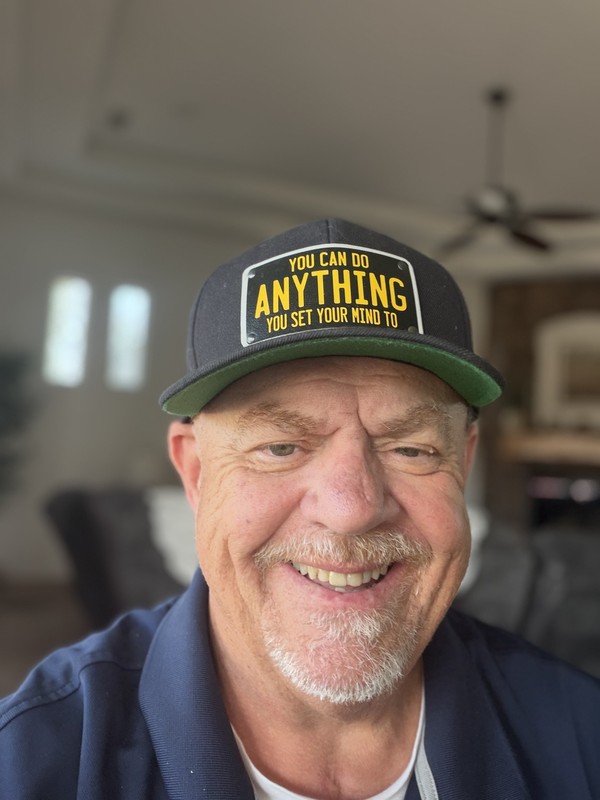
Ron Musgraves is based in Mesa, Arizona, and has been in the pressure washing business since 1984. This state page is meant to help Arizona contractors and property owners get oriented — not to replace official advice from the Registrar, ADEQ, or your city.
If you have a practical question about washing in Arizona, visit Ask Ron on RonMusgraves.com.
Arizona pressure washing FAQ
Do I need an Arizona contractor license to pressure wash?
Arizona does not publish a pressure-washing-only ROC license class. A license can still be required if the work falls under contracting (for example, repair or improvement) or if it is outside the statutory exemption. The ROC’s general guidance is that a license is required when labor and materials exceed $1,000, or when a permit is required at any price. Read A.R.S. § 32-1121 and confirm your specific scope with the Arizona Registrar of Contractors. Check current rules before you advertise or bid.
Can wash water go into the street or a storm drain?
Often no — especially if the water carries soap, oil, or other pollutants. Phoenix generally prohibits releases that are not entirely stormwater, with a limited list of exceptions. Mesa enforces a pollutant-discharge prohibition under its MS4 program. Tucson prohibits pollutant discharges and only allows certain building or street washing in narrow cases that comply with the AZPDES De Minimus General Permit and are not a source of pollutants. Check the current rules for the city where you are working, and contain wash water when in doubt.
Why does Arizona wash work leave white spots?
Phoenix explains that calcium and magnesium in source water make tap water hard. In desert heat and sun, that mineral-rich water can dry on glass, vehicles, and other surfaces and leave spots. Thorough rinsing and not letting wash water bake on in direct sun help. This is a water-quality and drying issue, not a substitute for testing a cleaner on a small area first.
When is the best time to wash in Arizona?
In the low desert, early morning is usually the practical window in summer because of heat and fast drying. The National Weather Service monsoon period runs from June 15 through September 30, when dust storms and thunderstorms can interrupt work. Flagstaff and other high-country areas have a shorter warm season. There is no single statewide “best month,” and this page does not quote prices or typical job times.
How do I find a pressure washing contractor in Arizona?
Use the National Pressure Wash Directory and look for a contractor who serves your city. Ask about insurance, wash-water handling, and experience with your surface type (for example, tile roofs, solar panels, or parking garages). For training, visit PressureWashingInstitute.org. For industry events, visit Pressure Washing Events & Networking.
