Author: Dr. Susan Steen, MD, MPH | Reviewed by: Health Review Team | Date: April 25, 2026
Every few months, a weight loss supplement captures enough consumer attention to trigger a wave of copycat products, questionable knockoffs, and aggressive third-party resellers. Right now, in spring 2026, Citrus Burn is that product — and that popularity comes with a responsibility to separate legitimate claims from exaggerated ones.
This updated review takes a hard look at what Citrus Burn actually contains, what independent research supports, where the marketing overshoots the science, and what consumers should watch for before spending their money.
The target audience is primarily adults over 35 who notice their body composition shifting despite no major changes in diet or activity — a phenomenon physiologists attribute to age-related declines in basal metabolic rate, hormonal shifts, and reduced mitochondrial efficiency. Whether Citrus Burn meaningfully addresses those changes is what this review investigates.
A comprehensive human clinical review by Stohs et al. (2012, International Journal of Medical Sciences) confirmed that p-synephrine produced measurable increases in resting metabolic rate and fat oxidation across multiple trials, with a favorable cardiovascular safety profile. A separate 60-day placebo-controlled safety study (Kaats et al., 2013) found no adverse cardiac markers in participants using bitter orange extract daily.
Clinical verdict: Legitimate thermogenic action at physiologically relevant doses. Not a dramatic fat-melting compound in isolation, but a credible foundational ingredient.
Clinical verdict: Strong supporting evidence. Works best in combination, which is precisely how it's deployed here.
Clinical verdict: Moderate evidence. Most useful for appetite regulation and metabolic stability rather than direct fat burning.
Clinical verdict: Real mechanism, real effect — but more modest than the numbers in advertising suggest.
Clinical verdict: Emerging human evidence, strong mechanistic rationale.
Red flags to watch for:
For adults over 35 looking for a stimulant-free metabolic support supplement with a multi-ingredient, synergy-based approach, Citrus Burn represents a reasonable option — provided expectations are grounded in what the science actually supports: modest, sustained metabolic support over weeks, not dramatic transformation over days.
Every few months, a weight loss supplement captures enough consumer attention to trigger a wave of copycat products, questionable knockoffs, and aggressive third-party resellers. Right now, in spring 2026, Citrus Burn is that product — and that popularity comes with a responsibility to separate legitimate claims from exaggerated ones.
This updated review takes a hard look at what Citrus Burn actually contains, what independent research supports, where the marketing overshoots the science, and what consumers should watch for before spending their money.
So What Exactly Is Citrus Burn? [8o49]
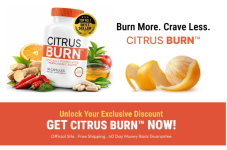
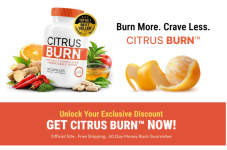
Citrus Burn is an encapsulated metabolic support supplement formulated around Seville orange peel extract — specifically its active alkaloid, p-synephrine. Unlike most thermogenic products that lean on high-dose caffeine or synthetic stimulants to force caloric output, Citrus Burn takes a compound-synergy approach: multiple botanicals working across different metabolic pathways rather than one aggressive driver dominating the formula.The target audience is primarily adults over 35 who notice their body composition shifting despite no major changes in diet or activity — a phenomenon physiologists attribute to age-related declines in basal metabolic rate, hormonal shifts, and reduced mitochondrial efficiency. Whether Citrus Burn meaningfully addresses those changes is what this review investigates.
| Feature | Detail |
|---|---|
| Product Name | Citrus Burn |
| Category | Thermogenic metabolic support |
| Primary Target | Adults 35+ with sluggish metabolism |
| Formula Type | Multi-botanical synergy blend |
| Key Actives | p-Synephrine, EGCG, berberine, capsaicin, ginger, ACV, Korean red ginseng |
| Stimulant Status | Stimulant-free (no added caffeine) |
| Manufacturing | USA, non-GMO, gluten-free |
| Guarantee | 180-day money-back |
Ingredient Analysis: Reading Past the Marketing Language
p-Synephrine from Seville Orange Peel
The cornerstone compound in Citrus Burn is p-synephrine, a naturally occurring adrenergic amine found specifically in Citrus aurantium — not in the sweet oranges most people eat. Its mechanism involves binding to beta-3 adrenergic receptors in fat tissue, stimulating lipolysis (fat breakdown) without the blood pressure spikes associated with older stimulants like ephedrine.A comprehensive human clinical review by Stohs et al. (2012, International Journal of Medical Sciences) confirmed that p-synephrine produced measurable increases in resting metabolic rate and fat oxidation across multiple trials, with a favorable cardiovascular safety profile. A separate 60-day placebo-controlled safety study (Kaats et al., 2013) found no adverse cardiac markers in participants using bitter orange extract daily.
Clinical verdict: Legitimate thermogenic action at physiologically relevant doses. Not a dramatic fat-melting compound in isolation, but a credible foundational ingredient.
EGCG from Green Tea Extract
Epigallocatechin gallate (EGCG) works through a different but complementary pathway — it inhibits the enzyme COMT, which normally degrades norepinephrine. By extending norepinephrine's activity in fat cells, EGCG amplifies the fat-oxidizing signal already initiated by p-synephrine. A widely cited meta-analysis (Hursel et al., 2009, International Journal of Obesity) examining 11 randomized trials concluded that green tea supplementation produced consistent, if modest, improvements in body weight and fat mass compared to placebo.Clinical verdict: Strong supporting evidence. Works best in combination, which is precisely how it's deployed here.
Spanish Red Apple Cider Vinegar
ACV's inclusion addresses a mechanism separate from fat oxidation: post-meal blood glucose stability. Persistent glycemic swings drive hunger signaling, energy crashes, and preferential fat storage — all barriers to sustainable weight management. Johnston et al. (Diabetes Care, 2004) showed vinegar intake improved insulin sensitivity in subjects with insulin resistance. A 12-week Japanese RCT (Kondo et al., 2009) demonstrated modest but statistically significant reductions in body fat and triglycerides with daily vinegar consumption.Clinical verdict: Moderate evidence. Most useful for appetite regulation and metabolic stability rather than direct fat burning.
Capsaicin (Andalusian Red Pepper)
Capsaicin activates TRPV1 receptors, generating transient heat and increasing post-meal energy expenditure. A systematic review in Appetite (Whiting et al., 2012) supported capsaicinoids' role in modestly reducing caloric intake and increasing thermogenesis. The "25% post-meal calorie burn increase" referenced in product marketing reflects short-duration lab measurements — not all-day metabolic elevation. Expectation management matters here.Clinical verdict: Real mechanism, real effect — but more modest than the numbers in advertising suggest.
Himalayan Ginger
Ginger's metabolic contribution is two-pronged: it enhances the thermic effect of food (calories burned digesting a meal) and improves satiety signaling. Mansour et al. (Metabolism, 2012) demonstrated significantly enhanced fullness and reduced hunger in overweight men after ginger consumption. Animal model research (Kim et al., Nutrients, 2018) linked ginger extract to AMPK activation — the same cellular energy switch targeted by several diabetes drugs.Clinical verdict: Emerging human evidence, strong mechanistic rationale.
Berberine and Korean Red Ginseng
Berberine is the most pharmacologically potent ingredient in this formula. It activates AMPK, improving glucose uptake in muscle tissue and reducing hepatic glucose production — effects comparable to low-dose metformin in some head-to-head studies. Korean red ginseng contributes adaptogenic and insulin-sensitizing properties that complement berberine's metabolic action.The Scam Concern: What Consumers Need to Know
The "scam update" designation in this article's title reflects a real market problem, not a verdict on the product itself. When a supplement gains consumer traction, three things typically follow: unauthorized third-party sellers listing the product on Amazon or eBay without quality controls, counterfeit versions with altered formulations, and affiliate review sites publishing fabricated five-star testimonials for commission.Red flags to watch for:
- Pricing significantly below the official site's listed retail — counterfeit risk rises sharply below $30 per bottle
- No lot number or batch code on the label — legitimate supplements are traceable
- Review sites that never mention a single side effect or limitation — that's a sales page, not a review
- Countdown timers claiming "only 3 bottles left" that reset every time you reload the page — artificial scarcity is a pressure tactic, not inventory management
Honest Pros and Cons
What works in its favor:- Stimulant-free formula accessible to caffeine-sensitive users
- Multiple ingredients with published clinical support
- Addresses several metabolic pathways simultaneously
- Transparent ingredient list with cited research
- No published RCT exists on the specific CitrusBurn formula as a whole
- Individual results vary substantially based on diet, activity, and baseline metabolic health
- Berberine content requires medical clearance for users on specific medications
- Marketing claims (74% thermogenesis increase, 54% craving reduction) are drawn from individual ingredient studies under specific conditions — not from the combined formula
Who Should Consult a Doctor Before Using
- Individuals taking blood thinners, metformin, or other diabetes medications (berberine interaction risk)
- Anyone with a history of cardiovascular disease or hypertension
- Pregnant or breastfeeding women
- Anyone under 18
- Individuals with known allergies to citrus, vinegar, or any listed botanical
Final Assessment
Citrus Burn is not a scam in the sense of selling an inert product — its core ingredients carry legitimate, peer-reviewed research behind them. Where skepticism is warranted is in the marketing language: specific percentage claims for craving reduction and thermogenic increase are extrapolated from single-ingredient studies, not verified in the full formula.For adults over 35 looking for a stimulant-free metabolic support supplement with a multi-ingredient, synergy-based approach, Citrus Burn represents a reasonable option — provided expectations are grounded in what the science actually supports: modest, sustained metabolic support over weeks, not dramatic transformation over days.